
Helping Children Build Calm and Confidence: One Small Step at a Time
Helping Children Build Calm and Confidence: One Small Step at a Time
Anxiety can feel overwhelming for children and young people — and it can be difficult for the adults supporting them to know what to do or say.
Whether anxiety appears around school, friendships, maths, exams or new situations, we can sometimes be tempted to focus on making the uncomfortable feeling disappear.
But confidence doesn't come from never feeling anxious.
Confidence grows when a child discovers that they can feel anxious and still take a small step forward.
As a teacher, counsellor and clinical hypnotherapist, much of my work focuses on helping children and young people understand their feelings, recognise their strengths and develop practical tools they can use when life feels difficult.
When Anxiety Feels Overwhelming, Make the Next Step Smaller
One of the simplest things we can do when a child feels overwhelmed is to stop focusing on the whole problem.
Instead, ask:
"What's one small thing we can do next?"
A child worried about school doesn't have to solve the whole school year.
A young person anxious about an exam doesn't have to master the entire subject today.
A child struggling with maths doesn't have to suddenly become "good at maths."
They just need a manageable next step.
Small successes matter because they give children evidence that they can cope.
Confidence grows through action, not perfection.
From I Can't to I Can Try
When children repeatedly experience anxiety or difficulty, they can begin to protect themselves by avoiding the things that make them uncomfortable.
You might hear:
I can't do it.
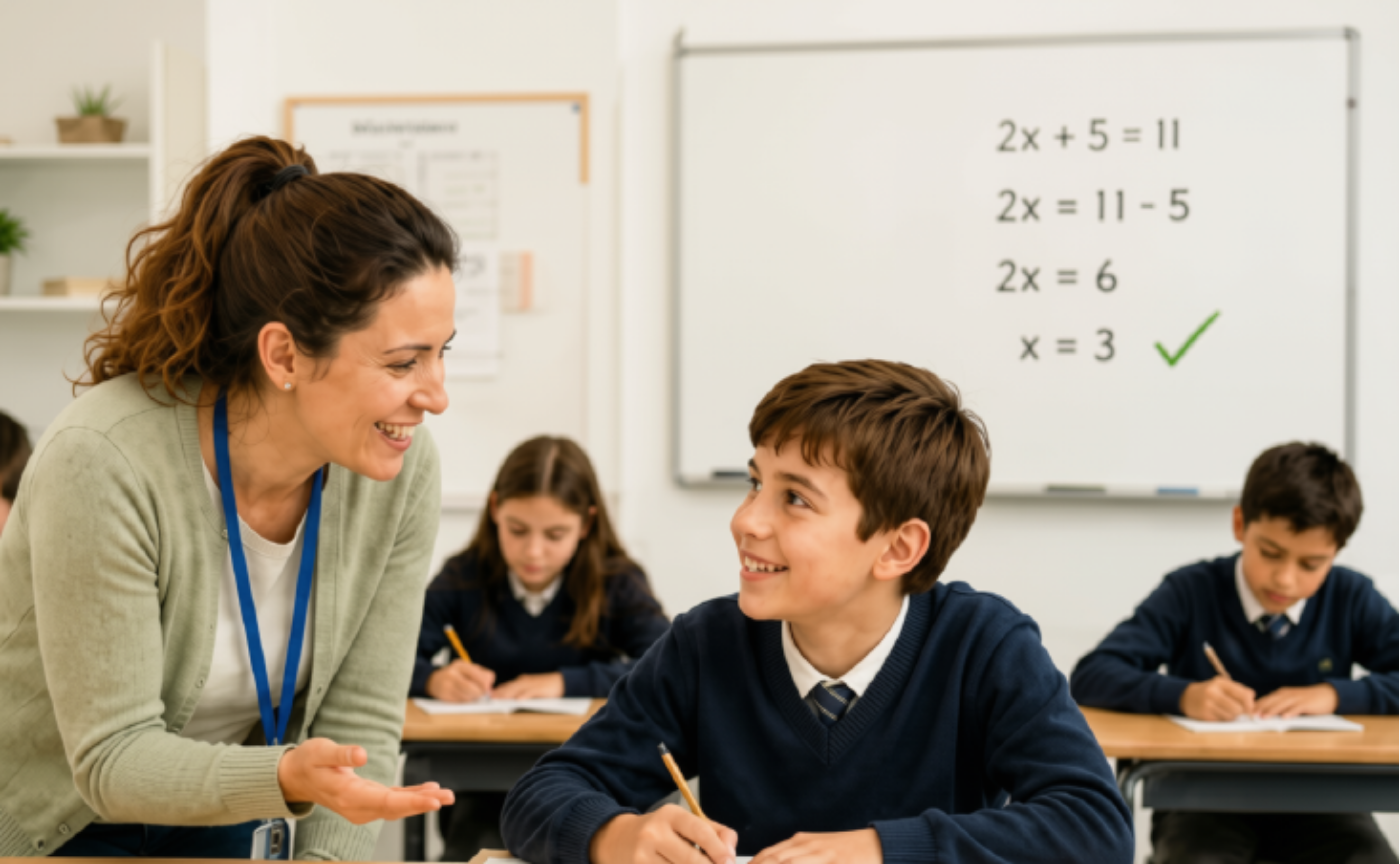
I'm just bad at maths.
I don't want to go.
Everyone else is better than me.
Rather than immediately trying to convince them that they're wrong, we can help them find a smaller, safer starting point.
Try:
You don't have to do everything. Let's work out the first step together.
That subtle shift matters.
We're not pretending the situation isn't difficult. We're helping the child experience themselves as someone who is capable of moving forward even when something feels difficult.
Practical Tools Can Help
Children don't simply need to be told to stop worrying or be more confident.
They need tools.
That's why I've developed resources designed to help children and young people understand anxiety, build confidence and develop strategies they can actually use in everyday life.
The Calm & Confidence Toolbox
My Calm & Confidence Toolbox helps children and young people explore anxiety and confidence through practical activities and strategies.
The aim isn't to eliminate every uncomfortable feeling. It's to give young people a growing collection of tools they can draw on when they need them.
Supporting Maths Anxiety
Maths deserves particular attention because, for some children, the subject itself becomes associated with worry, embarrassment or failure.
A child may understand more mathematics than their performance suggests, but anxiety can make it much harder to think clearly, attempt a question or demonstrate what they know.
My work around maths anxiety focuses on helping children rebuild confidence alongside their mathematical skills — and helping the adults around them understand how their responses can either increase or reduce pressure.
Support for Parents and Carers
Parents often ask me:
What should I say when my child is anxious?
Should I encourage them or back off?
Am I making things better or worse?
These are understandable questions.
Supporting an anxious child isn't always about having the perfect response. Often, it's about learning how to connect with them, understand what's happening and help them take manageable steps forward.
I'm developing additional resources specifically for parents and carers to make those moments a little easier to navigate.
Supporting the Adults Who Support Children
Children don't experience anxiety in isolation.
Parents, teachers, counsellors, youth workers, social workers and other professionals can all play an important part in helping a young person feel safe enough to try.
That's why Kids Anxiety Help isn't only about resources for children.
I'm also developing training and practical resources for the adults supporting them, including work around maths anxiety, confidence and emotional wellbeing.
When the adults around a child understand what may be happening beneath the behaviour, we can begin to respond differently.
And sometimes a different response is the beginning of a very different outcome.
One Small Step
If there's one idea I'd like you to take away from this, it's this:
When anxiety makes something feel too big, make the next step smaller.
We don't need children to feel completely confident before they try.
Sometimes the trying comes first.
Then the confidence follows.
Need Support?
If you're supporting a child or young person experiencing anxiety, low confidence, maths anxiety or school-related difficulties, explore the resources and support available through Kids Anxiety Help.
Together, we can help children and young people build confidence, resilience and emotional wellbeing — one small step at a time.
Yvonne Holmes
Teacher | Counsellor | Clinical Hypnotherapist | Author
Kids Anxiety Help